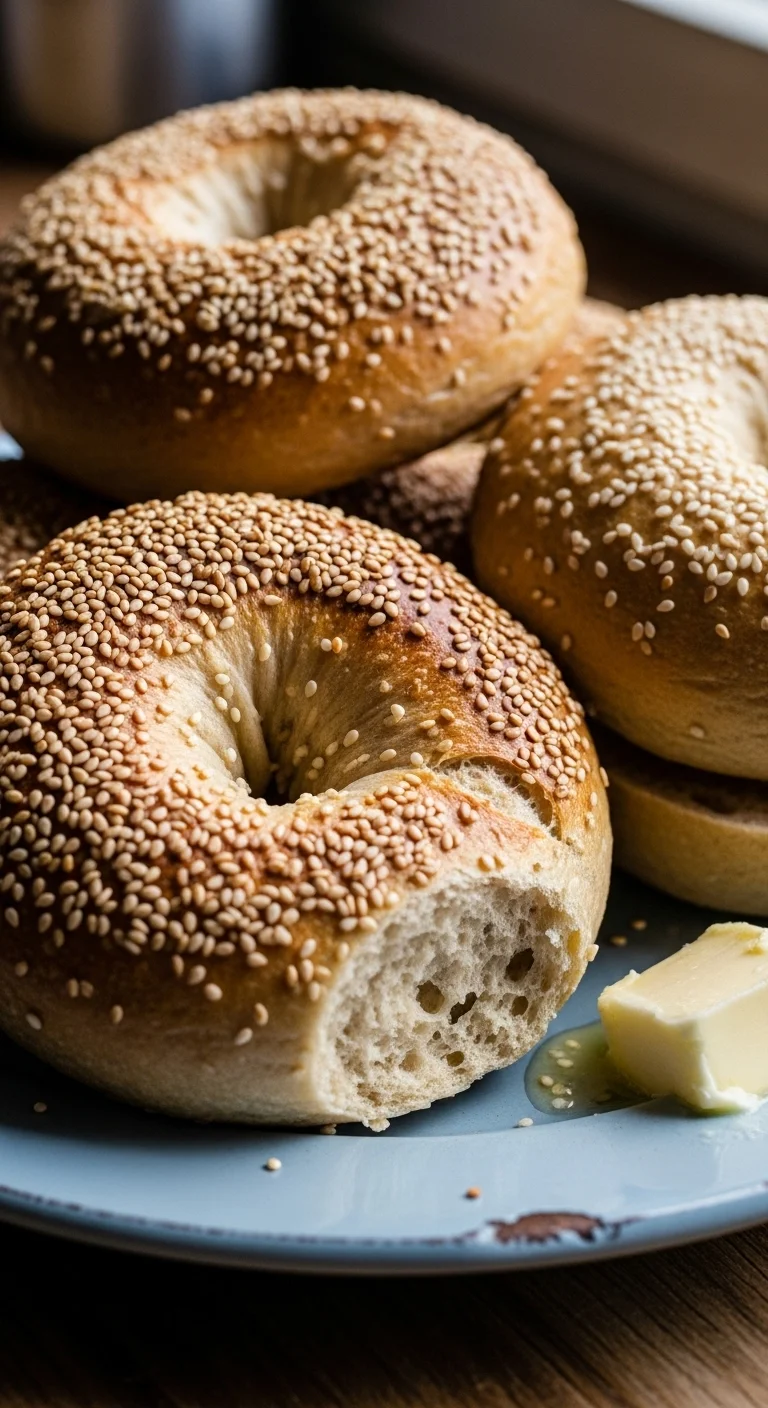
There’s something truly magical about the aroma of freshly baked bread wafting through the kitchen, especially when it’s the unmistakable scent of sourdough bagels. Forget the bland, store-bought versions; imagine sinking your teeth into a bagel with a delightful tang, a perfectly chewy crust, and a soft, airy interior. This isn’t just a recipe; it’s an experience. It’s about creating something extraordinary from humble ingredients, a rewarding endeavor that will elevate your breakfast (or lunch, or dinner!) to a whole new level. Get ready to embark on a baking adventure that will redefine your definition of the perfect sourdough bagel recipe. This recipe is truly special because it uses sourdough discard, which not only reduces waste but also contributes to a unique flavor profile. Prepare to be amazed at how easy it is to make these incredible bagels at home!
Why This Sourdough Bagel Recipe Will Change Your Life
Let’s be honest, most bagel recipes are, well, just okay. They lack that certain something, that je ne sais quoi that makes you crave another bite. This sourdough bagel recipe is different. The sourdough discard adds a subtle tang that complements the traditional bagel flavor, creating a symphony of tastes that will dance on your palate. But it’s not just about the taste; it’s about the texture. The boiling process, a crucial step often overlooked, ensures a flawlessly chewy crust that gives way to a soft, yielding interior. This recipe is also incredibly versatile. You can customize it with your favorite toppings, from classic sesame seeds to everything bagel seasoning. Baking these bagels is more than just cooking; it’s an act of self-care. The process of kneading, shaping, and watching the dough rise is therapeutic, a mindful activity that allows you to disconnect from the stresses of daily life. And the satisfaction of pulling a tray of golden-brown bagels from the oven, knowing that you created them with your own hands, is simply unparalleled. Imagine waking up on a Saturday morning to the smell of these freshly baked sourdough bagels. Trust me, you’ll never go back to store-bought after experiencing this.
Beyond the immediate gratification of a delicious bagel, this recipe empowers you to take control of your food. You know exactly what goes into your bagels – no preservatives, no artificial flavors, just simple, wholesome ingredients. This is a gift you give yourself and your loved ones. You’ll become known as the “bagel baker” among your friends and family, a title earned through dedication to flavor and quality. Share your creations, spread the joy, and witness the smiles that your sourdough bagels inspire. And the best part? You’ll always have a delicious way to use up that sourdough discard that used to go to waste. This recipe truly is a game-changer!
The Secret Techniques That Make This Sourdough Bagel Recipe Perfect
Achieving bagel perfection requires more than just following a recipe; it demands understanding the nuances of each step. Let’s delve into the techniques that elevate these bagels from good to extraordinary. The first secret lies in the sourdough discard itself. While unfed discard is ideal, experiment with using it at different stages of activity to explore the subtle variations in flavor and texture. The age and activity level will affect the tanginess of your final product. Pay close attention to the water temperature. It should be warm, but not hot. Too hot, and you’ll kill the yeast, hindering the rise. Aim for around 100°F (38°C). A good kitchen thermometer is your best friend here. Kneading is another critical element. Don’t skimp on the kneading time. Aim for 8-10 minutes, or until the dough is smooth and elastic. This develops the gluten, which is essential for the chewy texture. You can use a stand mixer or knead by hand – both work perfectly. For hand kneading, use a firm and steady rhythm. After kneading, the first rise is crucial. Cover the dough and let it rise in a warm place for about an hour, or until doubled in size. This allows the yeast to work its magic, creating air pockets that result in a light and airy bagel. If you’re short on time, you can refrigerate the dough overnight for a slower, more flavorful rise.
Shaping the bagels is an art in itself. The key is to create a uniform shape with a well-defined hole. Roll each piece of dough into a ball, then poke a hole in the center with your finger. Gently stretch the hole to about 1-1.5 inches in diameter. Don’t be afraid to experiment with different shaping techniques to find what works best for you. The boiling process is what truly sets these bagels apart. Boiling gelatinizes the starches on the surface of the dough, creating that signature chewy crust. Don’t skip this step! Add a tablespoon of barley malt syrup to the boiling water for added sweetness and a richer color. Boil the bagels for 1 minute per side, ensuring that they are fully submerged. After boiling, immediately sprinkle the bagels with your desired toppings. The wet surface will help the toppings adhere. Finally, baking at a high temperature (425°F/220°C) ensures a golden-brown crust and a fully cooked interior. Keep a close eye on the bagels during baking, and rotate the baking sheet halfway through for even browning.
Chewy Sourdough Bagels Recipe
Bake homemade sourdough bagels with a delightfully tangy flavor! This easy recipe delivers a perfectly chewy crust every time. Get the recipe now!
🍎 Nutrition Information
🥘 Ingredients
👨🍳 Instructions
-
Combine discard, water, sugar, and yeast.
-
Add flour and salt to form shaggy dough.
-
Knead for 8-10 minutes until and elastic.
-
Let rise in a warm place for 1 hour until doubled.
-
Divide into 8 pieces and shape into bagels.
-
Rest for 15 minutes.
-
Boil for 1 minute per side in water with syrup.
-
Add toppings after boiling.
-
Bake at 425°F (220°C) for 20-25 minutes until
📝 Notes & Tips
For extra golden crust, brush with egg wash. Revive stale bagels by spraying with water and toasting.
Essential Ingredients: What Makes Each One Special
Every ingredient in this sourdough bagel recipe plays a vital role in the final product. Let’s explore each one and understand its contribution to the overall flavor and texture. Sourdough Discard: The star of the show! Sourdough discard adds a subtle tang and depth of flavor that you won’t find in regular bagels. It also contributes to a slightly softer texture. Using discard reduces waste and allows you to enjoy the benefits of sourdough baking even when you’re not actively maintaining a starter. Bread Flour: This is crucial for achieving the perfect chewy texture. Bread flour has a higher protein content than all-purpose flour, which develops more gluten when kneaded. Gluten is what gives bagels their characteristic chewiness. If you can’t find bread flour, you can use all-purpose flour, but the texture will be slightly different. Warm Water: The temperature of the water is essential for activating the yeast. It should be warm, but not hot. Too hot, and you’ll kill the yeast. Too cold, and the yeast won’t activate properly. Aim for around 100°F (38°C). Sugar: Sugar provides food for the yeast, helping it to rise and develop flavor. It also adds a touch of sweetness to the bagels. Instant Yeast: This is a convenient and reliable way to leaven the bagels. Instant yeast doesn’t need to be proofed before adding it to the dough. If you’re using active dry yeast, you’ll need to proof it in warm water with a pinch of sugar for about 5-10 minutes before adding it to the dough. Salt: Salt enhances the flavor of the bagels and also controls the yeast activity. It’s important to use the correct amount of salt, as too much or too little can affect the rise and texture. Barley Malt Syrup (Optional): This adds sweetness, color, and a richer flavor to the bagels. It also helps to create a slightly stickier crust. If you don’t have barley malt syrup, you can substitute it with honey or sugar.
And, of course, don’t forget the toppings! Sesame seeds are a classic choice, adding a nutty flavor and a satisfying crunch. Poppy seeds offer a slightly earthy flavor and a beautiful visual appeal. Everything bagel seasoning is a popular option, combining sesame seeds, poppy seeds, dried garlic, dried onion, and salt. You can also experiment with other toppings, such as dried herbs, cheese, or even spices.
Step-by-Step Mastery: Pro Techniques for Success
- Mixing the Dough:
In a large bowl, combine the sourdough discard, warm water, sugar, and instant yeast. Stir until well mixed. This ensures that the yeast is evenly distributed throughout the dough. Then, add the bread flour and salt to the mixture. Use a wooden spoon or your hands to combine the ingredients until a shaggy dough forms.
- Kneading the Dough:
Turn the dough out onto a lightly floured surface. Knead the dough for about 8-10 minutes, or until smooth and elastic. Use a firm and steady rhythm. If the dough is too sticky, add a little more flour, one tablespoon at a time. You can also use a stand mixer fitted with a dough hook to knead the dough.
- First Rise:
Place the dough in a lightly oiled bowl, turning to coat. Cover the bowl with plastic wrap or a clean kitchen towel. Let the dough rise in a warm place for about 1 hour, or until doubled in size. This allows the yeast to work its magic, creating air pockets that result in a light and airy bagel.
- Dividing and Shaping:
Gently deflate the dough and turn it out onto a lightly floured surface. Divide the dough into 8 equal pieces. Shape each piece into a ball, then poke a hole in the center with your finger. Gently stretch the hole to about 1-1.5 inches in diameter. Place the shaped bagels on a parchment-lined baking sheet. Cover the bagels with a clean kitchen towel and let them rest for about 15 minutes.
- Boiling the Bagels:
Bring a large pot of water to a boil. Add 1 tablespoon of barley malt syrup (or honey or sugar) to the boiling water. Boil the bagels, 2-3 at a time, for 1 minute per side. Use a slotted spoon to remove the bagels from the water and place them back on the baking sheet.
- Adding Toppings:
Immediately sprinkle the bagels with your desired toppings. The wet surface will help the toppings adhere.
- Baking the Bagels:
Bake the bagels in a preheated oven at 425°F (220°C) for 20-25 minutes, or until golden brown and crusty. Rotate the baking sheet halfway through for even browning. Cool the bagels on a wire rack before serving. Enjoy!
Creative Variations: Make It Your Own
This sourdough bagel recipe is a blank canvas, ready to be transformed into your own culinary masterpiece. Don’t be afraid to experiment with different flavors and ingredients to create bagels that are uniquely yours. For a savory twist, try adding chopped onions, garlic, or herbs to the dough. Roasted garlic bagels are especially delicious! You can also incorporate cheese into the dough, such as cheddar, parmesan, or asiago. For a sweeter treat, consider adding dried fruit, such as raisins, cranberries, or blueberries. Cinnamon-raisin bagels are a classic for a reason! Experiment with different flours, such as whole wheat or rye, to add a nutty flavor and a slightly denser texture. For a spicy kick, add a pinch of chili flakes or cayenne pepper to the dough. Jalapeno cheddar bagels are a crowd-pleaser. Don’t limit yourself to traditional bagel toppings. Try using sunflower seeds, pumpkin seeds, or even everything bagel seasoning made with halal-certified spices. The possibilities are endless! Consider adding a swirl of cinnamon sugar to the dough before shaping the bagels for a sweet and cinnamony treat. These are great served with cream cheese and a drizzle of honey. Or incorporate sun-dried tomatoes and rosemary into the dough for a Mediterranean-inspired bagel. Serve with a drizzle of olive oil and a sprinkle of sea salt. Get creative and have fun! The best bagels are the ones that reflect your personal taste and preferences.Perfect Pairings: What to Serve With Sourdough Bagel Recipe
A truly outstanding bagel deserves equally delightful accompaniments. The beauty of a sourdough bagel is its versatility; it pairs perfectly with both sweet and savory flavors. For a classic breakfast, spread your bagel with cream cheese and top it with smoked salmon or avocado slices. Add a sprinkle of everything bagel seasoning for extra flavor. If you’re craving something sweet, try a dollop of peanut butter and a drizzle of honey. This combination is surprisingly satisfying and packed with energy. For a heartier meal, create a bagel sandwich with turkey breast, lettuce, tomato, and a smear of mayonnaise. You can also add cheese, such as cheddar or provolone, for extra richness. Sliced cucumber and tomato with a sprinkle of dill offers a refreshing, light pairing. For a unique twist, try topping your bagel with labneh (strained yogurt) and a drizzle of olive oil. Sprinkle with za’atar for a Middle Eastern-inspired flavor. Sourdough bagels also pair well with soups and salads. They are perfect for dipping into creamy tomato soup or for serving alongside a crisp green salad. Consider making a bagel pizza by topping your bagel with tomato sauce, mozzarella cheese, and your favorite pizza toppings. Bake until the cheese is melted and bubbly. If you are in the mood for more baking, these bagels would pair wonderfully with Easy One-Bowl Chocolate Chip Cookies for a dessert treat. For a quick and easy snack, simply toast your bagel and spread it with butter. It’s simple, but oh-so-satisfying. Or, you can also pair this with Fluffy Pancakes Recipe for a breakfast feast. Finally, consider serving your sourdough bagels with a variety of dips, such as hummus, baba ghanoush, or tzatziki. These Mediterranean-inspired dips add a burst of flavor and create a satisfying appetizer. If you are serving a crowd, you might also consider adding The Best Guacamole Recipe and tortilla chips to the snack spread.Storage Secrets: Keep It Fresh and Delicious
The key to preserving the freshness of your homemade sourdough bagels lies in proper storage. Here are some tips to keep them tasting their best for as long as possible. For short-term storage (1-2 days), keep the bagels in an airtight container at room temperature. This will prevent them from drying out. To maintain optimal chewiness, avoid storing them in the refrigerator, which can make them stale. For longer-term storage (up to 3 months), freeze the bagels in an airtight freezer bag. Before freezing, slice the bagels in half for easy toasting. When you’re ready to eat them, simply toast them straight from the freezer. If you find that your bagels are starting to dry out, you can revive them by lightly spraying them with water and toasting them in the oven for a few minutes. This will help to restore their moisture and chewiness. Another trick is to wrap the bagels tightly in plastic wrap before storing them in an airtight container. This will help to prevent them from absorbing odors from other foods in the refrigerator. Always let the bagels cool completely before storing them. Storing warm bagels will trap moisture and cause them to become soggy. If you have a lot of bagels, consider storing them in individual freezer bags. This will make it easier to grab just one or two at a time. Consider keeping this with a batch of Classic French Toast Recipe to store away and have easy meals ready whenever you need them. When storing bagels with toppings, make sure to wrap them tightly to prevent the toppings from falling off. You can also store the toppings separately and add them to the bagels just before serving.Health Benefits: Why This Sourdough Bagel Recipe is Good for You
Beyond their delicious taste and satisfying texture, these sourdough bagels offer a range of health benefits that make them a wholesome choice. Sourdough fermentation enhances the nutritional value of the bread, making it easier to digest. The fermentation process breaks down the gluten in the flour, which can be beneficial for people with gluten sensitivities. Sourdough bread also has a lower glycemic index than regular bread, meaning it doesn’t cause a rapid spike in blood sugar levels. This is good news for people with diabetes or those who are trying to manage their blood sugar. The sourdough discard in this recipe adds a boost of prebiotics, which are beneficial for gut health. Prebiotics feed the good bacteria in your gut, promoting a healthy digestive system. Bread flour provides a good source of carbohydrates, which are essential for energy. Carbohydrates are the body’s primary source of fuel, providing you with the energy you need to get through the day. Sesame seeds, a classic bagel topping, are rich in minerals, antioxidants, and beneficial plant compounds. They also help to lower cholesterol and triglyceride levels. While bagels are not typically considered a health food, this sourdough bagel recipe is a healthier alternative to store-bought bagels, which often contain preservatives and artificial ingredients. By making your own bagels at home, you can control the ingredients and ensure that you are using only wholesome, natural ingredients. This recipe avoids the use of excessive amounts of sugar and unhealthy fats, making it a more nutritious choice. When choosing toppings for your bagels, opt for healthy options such as avocado, smoked salmon, or nut butter. These toppings provide healthy fats, protein, and essential nutrients. Keep in mind that moderation is key. While sourdough bagels offer several health benefits, they are still a source of carbohydrates and calories. Enjoy them as part of a balanced diet and be mindful of portion sizes.Troubleshooting: Fix Common Mistakes
Even with the best recipe and intentions, baking can sometimes present challenges. Here are some common problems and their solutions to ensure your sourdough bagel recipe turns out perfectly. Dough Not Rising: If your dough isn’t rising, it could be due to several factors. The yeast may be old or inactive. Make sure to use fresh yeast and check the expiration date. The water may be too hot or too cold. Use a thermometer to ensure that the water is around 100°F (38°C). The room may be too cold. Yeast thrives in warm environments. Try placing the dough in a warm place, such as near a radiator or in a slightly warmed oven. Dough Too Sticky: If your dough is too sticky, add a little more flour, one tablespoon at a time, until it becomes manageable. Be careful not to add too much flour, as this can make the bagels tough. Bagels Too Dense: If your bagels are too dense, it could be due to over-kneading or not enough rising time. Make sure to knead the dough for the recommended amount of time and allow it to rise fully. Bagels Not Chewy Enough: The chewiness of bagels is primarily determined by the boiling process. Make sure to boil the bagels for the recommended amount of time (1 minute per side). You can also try adding barley malt syrup to the boiling water for extra chewiness. Bagels Burning: If your bagels are burning, lower the oven temperature slightly or move the baking sheet to a lower rack. You can also cover the bagels with foil during the last few minutes of baking to prevent them from browning too quickly. Toppings Not Sticking: If your toppings are not sticking to the bagels, make sure to sprinkle them on immediately after boiling, while the surface is still wet. You can also brush the bagels with an egg wash before adding the toppings.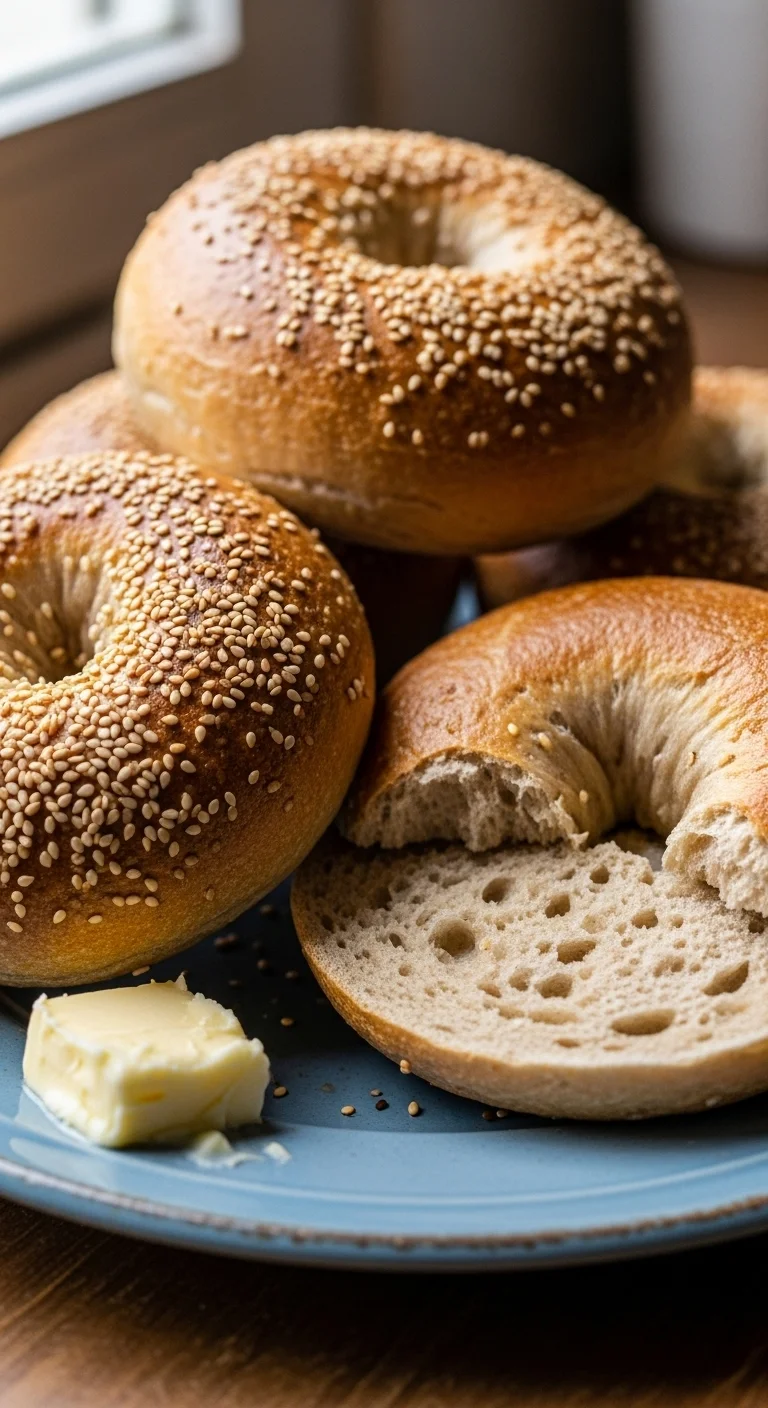
Expert Answers: Your Burning Questions
Got questions about making the perfect sourdough bagels? I’ve got answers! Here are some frequently asked questions to help you on your baking journey. Can I use all-purpose flour instead of bread flour? While bread flour is recommended for the best texture, you can use all-purpose flour in a pinch. Just keep in mind that the bagels may not be quite as chewy. Can I make this recipe without sourdough discard? Yes, you can. Replace the sourdough discard with equal parts water and flour. You may also need to add a little more yeast to compensate for the lack of sourdough culture. Can I freeze the bagel dough before baking? Yes, you can. Shape the bagels, place them on a baking sheet, and freeze until solid. Then, transfer the frozen bagels to a freezer bag. When you’re ready to bake them, thaw them in the refrigerator overnight and proceed with the boiling and baking steps. Can I make these bagels gluten-free? While I haven’t tested this recipe with gluten-free flour, it may be possible. Look for a gluten-free bread flour blend that is designed for yeasted breads. You may also need to add a binding agent, such as xanthan gum, to help hold the dough together. How can I make my bagels more flavorful? Experiment with different toppings, herbs, and spices. You can also try adding different types of flour, such as whole wheat or rye, to add depth of flavor. You can also try adding honey, maple syrup, or brown sugar for a subtly sweet flavor.More Amazing Recipes You’ll Love
If you’ve enjoyed this sourdough bagel recipe, you’re sure to love these other delicious recipes from RecipesWithClara. Check them out and expand your culinary horizons! And while you are here, subscribe to my newsletter so that you never miss a recipe!- Easy One-Bowl Chocolate Chip Cookies: These easy cookies are perfectly chewy and packed with chocolate chips.
- Fluffy Pancakes Recipe: Light, airy, and perfect for breakfast or brunch.
- The Best Guacamole Recipe: Fresh, flavorful, and perfect for parties.
- Classic French Toast Recipe: A delicious breakfast and the perfect comfort food!